

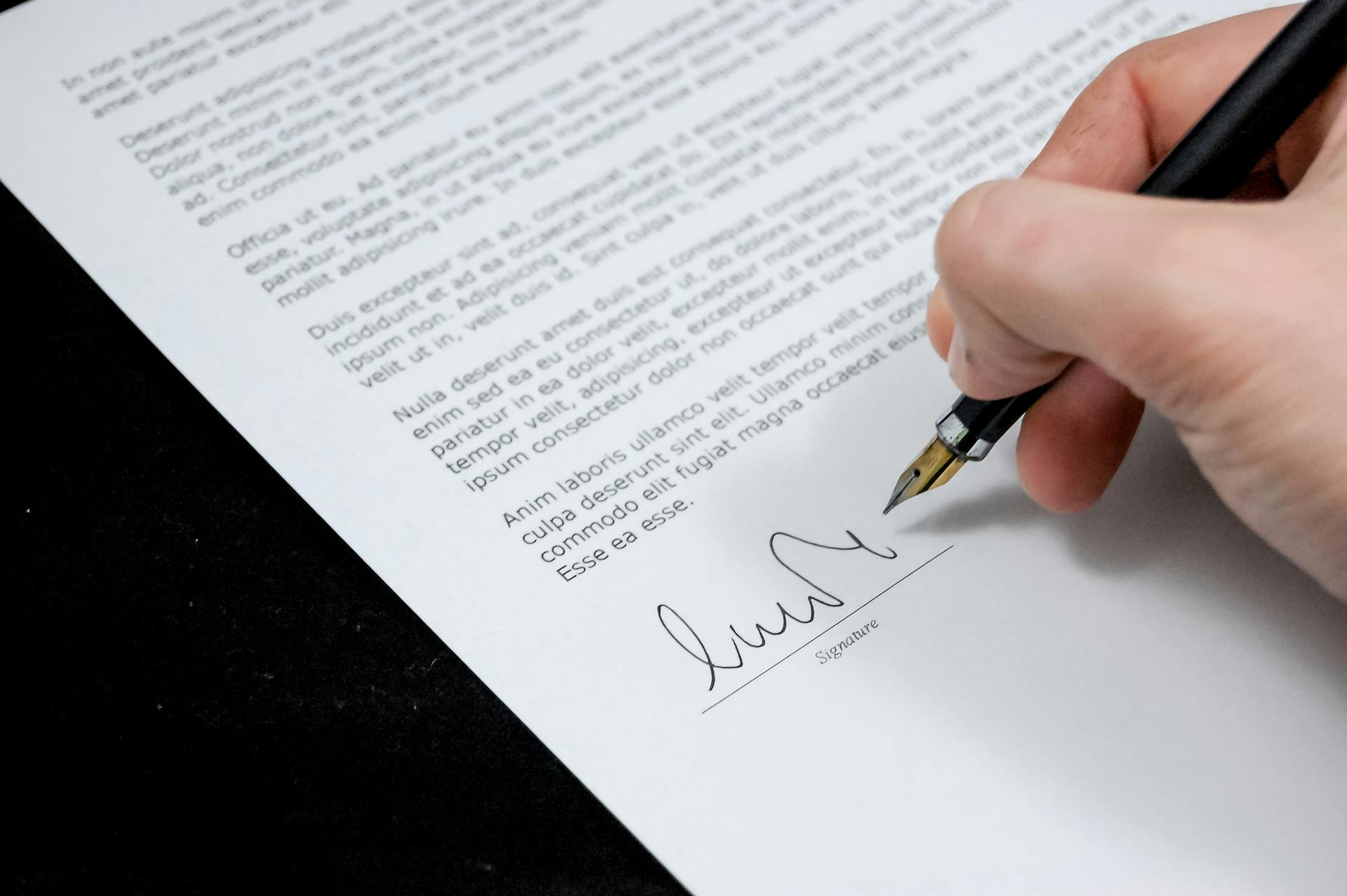
The Three Ways to Negotiate
Basically, there are three major negotiation methods.
1. Take it or leave it. A buyer makes an offer or a seller makes a counter-offer – both sides can let the “chips fall where they may.”
2. Split the difference. The buyer and seller, one or the other, or both, decide to split the difference between what the buyer is willing to offer and what the seller is willing to accept. A real oversimplification, but often used.
3. This for that. Both buyer and seller have to find out what is important to each. So many of these important areas are non-monetary and involve personal things such as allowing the owner’s son to continue employment with the firm. The buyer may want to move the business.
There is an old adage that advises, “Never negotiate your own deal!”
The first thing both sides have to decide on is who will represent them. Will they have their attorney, their intermediary or will they go it alone? Intermediaries are a good choice for a seller. They have done it before, are good advocates for their side and they understand the company and the seller.
How do the parties get together in a win-win negotiation? The first step is for both sides to work with their advisors to settle on the price and deal structure positions. Both sides should be able to present their side of these issues. Which is more important – price or terms, or non-monetary items?
Information is vital to a buyer. Buyers should keep in mind that the seller knows more about the business than he or she does. Both buyer and seller need to anticipate what is important to the other and keep that in mind when discussing the deal. Buyer and seller should do due diligence on each other. Both buyer and seller must be able to walk away from a deal that is just not going to work.
Bob Woolf, the famous sports agent said in his book, Friendly Persuasion: My Life as a Negotiator, “I never think of negotiating against anyone. I work with people to come to an agreement. Deals are put together.”
Copyright: Business Brokerage Press, Inc.
Read MoreKeys to a Successful Closing
The closing is the formal transfer of a business. It usually also represents the successful culmination of many months of hard work, extensive negotiations, lots of give and take, and ultimately a satisfactory meeting of the minds. The document governing the closing is the Purchase and Sale Agreement. It generally covers the following:
• A description of the transaction – Is it a stock or asset sale?
• Terms of the agreement – This covers the price and terms and how it is to be paid. It should also include the status of any management that will remain with the business.
• Representations and Warranties – These are usually negotiated after the Letter of Intent is agreed upon. Both buyer and seller want protection from any misrepresentations. The warranties provide assurances that everything is as represented.
• Conditions and Covenants – These include non-competes and agreements to do or not to do certain things.
There are four key steps that must be undertaken before the sale of a business can close:
1. The seller must show satisfactory evidence that he or she has the legal right to act on behalf of the selling company and the legal authority to sell the business.
2. The buyer’s representatives must have completed the due diligence process, and claims and representations made by the seller must have been substantiated.
3. The necessary financing must have been secured, and the proper paperwork and appropriate liens must be in place so funds can be released.
4. All representations and warranties must be in place, with remedies made available to the buyer in case of seller’s breech.
There are two major elements of the closing that take place simultaneously:
• Corporate Closing: The actual transfer of the corporate stock or assets based on the provisions of the Purchase and Sale Agreement. Stockholder approvals are in, litigation and environmental issues satisfied, representations and warranties signed, leases transferred, employee and board member resignations, etc. completed, and necessary covenants and conditions performed. In other words, all of the paperwork outlined in the Purchase and Sale Agreement has been completed.
• Financial Closing: The paperwork and legal documentation necessary to provide funding has been executed. Once all of the conditions of funding have been met, titles and assets are transferred to the purchaser, and the funds delivered to the seller.
It is best if a pre-closing is held a week or so prior to the actual closing. Documents can be reviewed and agreed upon, loose ends tied up, and any open matters closed. By doing a pre-closing, the actual closing becomes a mere formality, rather than requiring more negotiation and discussion.
The closing is not a time to cut costs – or corners. Since mistakes can be very expensive, both sides require expert advice. Hopefully, both sides are in complete agreement and any disagreements were resolved at the pre-closing meeting. A closing should be a time for celebration!
The Confidentiality Myth
When it comes time to sell the company, a seller’s prime concern is one of confidentiality. Owners are afraid that “if the word gets out” they will lose employees, customers and suppliers. Not to downplay confidentiality, but these incidents seldom happen if the process is properly managed. There is always the chance that a “leak” will occur, but when handled correctly, serious damage is unlikely. Nevertheless, a seller should still be very careful about maintaining confidentiality since avoiding problems is always better than dealing with them. Here are some suggestions:
- Understand that there is a “Catch 22” involved. The seller wants the highest price and the best deal, and this usually means contacting numerous potential buyers. Obviously, the more prospective buyers that are contacted, the greater the opportunity for a breach of confidentiality to occur. Business intermediaries understand that buyers have to be contacted, but they also realize the importance of confidentiality and have the procedures in place to reduce the risk of a breach. Another alternative is to work with just a few buyers. This, however, does reduce the chances of obtaining the best price.
- Another way to avoid this breach is to try to keep a short timetable between going to market and a closing. The shorter the timetable, the less the chance for the word to get out. One way to keep a short timetable is to gather all of the information necessary for the buyer’s due diligence ahead of time. Create a place where all of this material can be consolidated. This can be as simple as a set of secured file drawers. Such documentation as: customer and vendor contracts, leases and real estate records, financial statements and supporting schedules (assets, receivables, payables), conditions of employment agreements, organization charts and pay schedules, summary of benefit programs, patents, etc. should be gathered. It is not unusual for due diligence examinations to look back 3 to 5 years, so there could be a lot of records.
- The above means that the seller has to get organized. Selling one’s business is fraught with paperwork. Set up some three-ring binders so all of the relevant paperwork and resulting documentation has a place. These binders should be kept in a secure location.
- The seller’s employees should be conditioned to having strange people (potential buyers) walk through the facility. One way to avoid suspicion is to arrange to have unrelated people, for example – customers, suppliers, advisors – tour the company facilities prior to placing the business on the market.
- If sellers have not prepared their employees for strangers walking through the facilities as suggested above, awkward situations can develop. A valued employee may question why tours are being conducted. The seller is then placed in the position of explaining what is happening or covering the question with a “smokescreen.” A seller could reply by saying that the strangers are possible investors in the company. If asked directly if the business is for sale, the seller could respond by saying that if General Electric wants to pay a bundle for it – anything is for sale. Once in the selling process, it is also important to minimize traffic by only allowing serious, qualified prospects to tour the operation.
- Keep in mind that confidentiality leaks can emanate from many sources. For example, an errant email ends up on someone else’s email. A fax gets sent to the wrong fax machine or UPS or FedEx deliveries go to the wrong people. Establish methods ahead of time on how to communicate with potential buyers or an intermediary.
- The key to handling confidentiality is for the seller to retain a third party intermediary. They will insist that all potential buyers sign a confidentiality agreement. They will also be able to advise the seller on how to handle the “company tours” and can insure that only qualified buyers are shown the facilities.
- The “myth” is that confidentiality issues can make or break a deal, or cause serious damage to the seller’s business. The reality is that breaches seldom occur when an intermediary is involved, and if they do occur and are handled properly, there is little damage to the business or a potential transaction.
Copyright: Business Brokerage Press, Inc.
Read MoreHow Does Your Business Compare?
When considering the value of your company, there are basic value drivers. While it is difficult to place a specific value on them, one can take a look and make a “ballpark” judgment on each. How does your company look?
| Value Driver | Low | Medium | High |
|---|---|---|---|
| Business Type | Little Demand | Some Demand | High Demand |
| Business Growth | Low | Steady | High & Steady |
| Market Share | Small | Steady Growth | Large & Growing |
| Profits | Unsteady | Consistent | Good & Steady |
| Management | Under Staffed | Okay | Above Average |
| Financials | Compiled | Reviewed | Audited |
| Customer Base | Not Steady | Fairly Steady | Wide & Growing |
| Litigation | Some | Occasionally | None in Years |
| Sales | No Growth | Some Growth | Good Growth |
| Industry Trend | Okay | Some Growth | Good Growth |
The possible value drivers are almost endless, but a close look at the ones above should give you some idea of where your business stands. Don’t just compare against businesses in general, but specifically consider the competition.
As part of your overall exit strategy, what can you do to improve your company?
© Copyright 2015 Business Brokerage Press, Inc.
Photo Credit: kconnors via morgueFile
Read More